
How to Choose Eco-Friendly Cat Litter: A Simple Guide
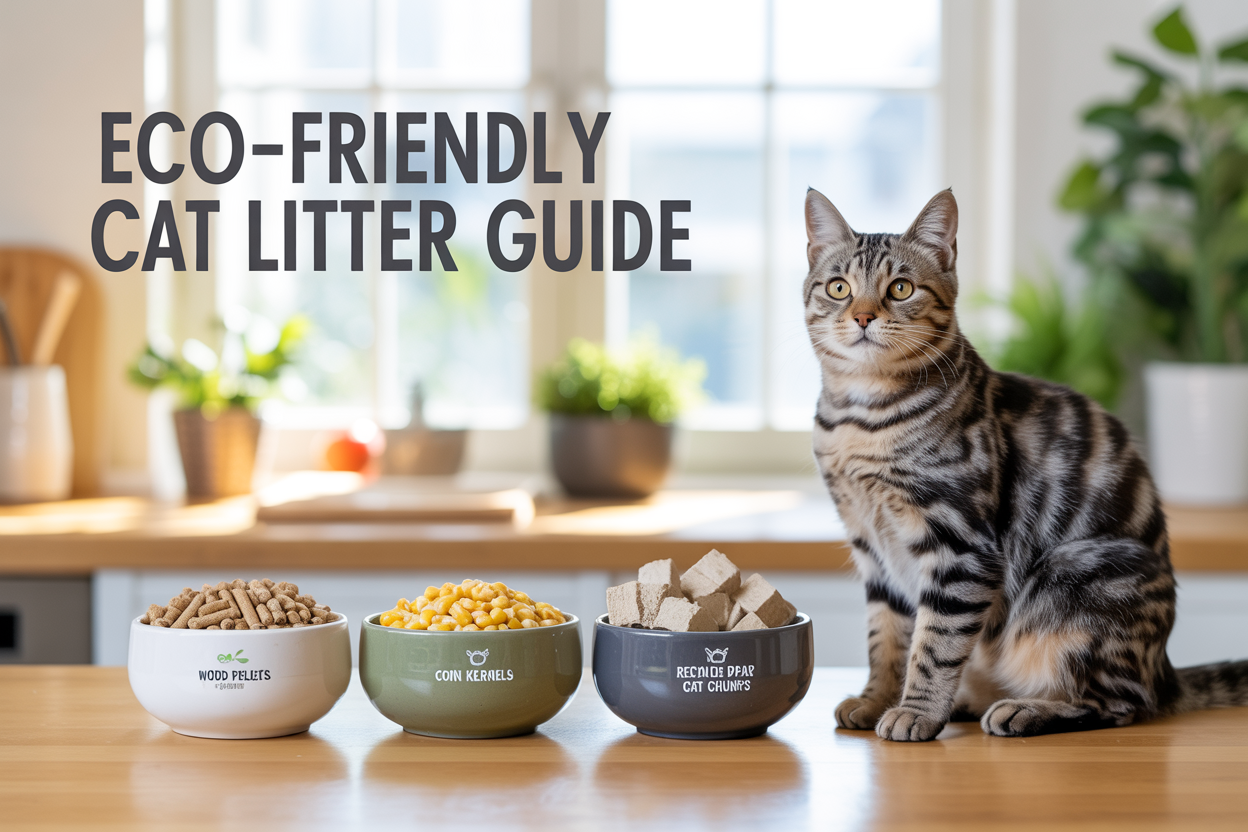
Switching to eco-friendly cat litter doesn't have to be overwhelming. This guide is for cat parents who care about their pet's health and the planet but aren't sure where to start with greener alternatives.
Traditional clay litters come with some serious downsides - they're mined through harmful strip mining practices, sit in landfills for thousands of years, and can create dust that's bad for both you and your cat to breathe. The good news? Today's eco-friendly options work just as well while being kinder to the environment.
We'll walk you through the environmental problems with conventional litters, show you what makes alternatives better for your cat's health, and break down the different types of sustainable materials available. You'll also learn the key features to look for when shopping and get our top product recommendations to make the switch smooth and successful.
Understanding Environmental Impact of Traditional Cat Litter

Strip Mining Damage from Clay-Based Litters
VTraditional clay-based cat litters rely heavily on bentonite clay, which requires extensive strip mining operations to extract. These mining processes involve removing large amounts of topsoil and vegetation, permanently altering landscapes and destroying natural habitats. The extraction process disrupts entire ecosystems, displacing wildlife and fragmenting critical migration corridors. Strip mining operations also contribute to soil erosion and water contamination, as exposed earth becomes vulnerable to runoff that carries sediments into nearby waterways.
The scale of clay extraction for pet litter production is staggering, with millions of tons harvested annually to meet consumer demand. This industrial-level mining creates lasting scars on the environment, as reclamation efforts often fall short of restoring the original ecological balance. The heavy machinery required for these operations also generates significant carbon emissions, contributing to the overall environmental footprint of clay-based litter products.
Non-Biodegradable Waste Accumulation in Landfills
Clay-based cat litters pose a significant long-term environmental challenge due to their non-biodegradable nature. When disposed of in landfills, these products persist for decades without breaking down naturally. The clumping agents used in many clay litters further complicate decomposition, creating dense, impermeable masses that resist natural breakdown processes.
This accumulation problem is exacerbated by the volume of waste generated. A typical cat household disposes of hundreds of pounds of litter annually, contributing to the growing crisis of landfill capacity. The non-biodegradable nature of clay litter means that today's waste will remain in landfills for generations, taking up valuable space and preventing the natural recycling of organic materials that would otherwise enrich soil systems.
Health Risks from Bentonite Clay and Silica Dust
Bentonite clay and silica-based litters generate significant amounts of respirable dust particles that pose health risks to both cats and their human companions. These microscopic particles can penetrate deep into respiratory systems, potentially causing irritation and long-term breathing difficulties. Cats, who spend considerable time in close contact with their litter, are particularly vulnerable to dust inhalation during digging and covering behaviors.
Silica dust exposure has been linked to respiratory conditions and may contribute to chronic breathing problems in sensitive individuals. The fine particles can remain airborne for extended periods, especially during litter box cleaning and refilling activities. Regular exposure to these dust particles creates cumulative health risks, making proper ventilation essential but often insufficient to completely eliminate the hazard.
Toxic Additives and Chemical Scents
Many conventional cat litters contain artificial fragrances and chemical additives designed to control odors and enhance performance. These synthetic compounds often include phthalates, volatile organic compounds (VOCs), and other potentially harmful chemicals that can off-gas into indoor air. The artificial scents, while masking odors for humans, can be overwhelming and stressful for cats, whose sensitive olfactory systems are far more acute than our own.
Chemical additives may also include antimicrobial agents and clumping enhancers that persist in the environment long after disposal. These substances can leach into groundwater systems when litter waste reaches landfills, potentially contaminating water sources. The cumulative effect of these chemicals in household environments raises concerns about indoor air quality and long-term exposure impacts on family health.
Benefits of Eco-Friendly Cat Litter Alternatives
Biodegradable Materials That Decompose Naturally
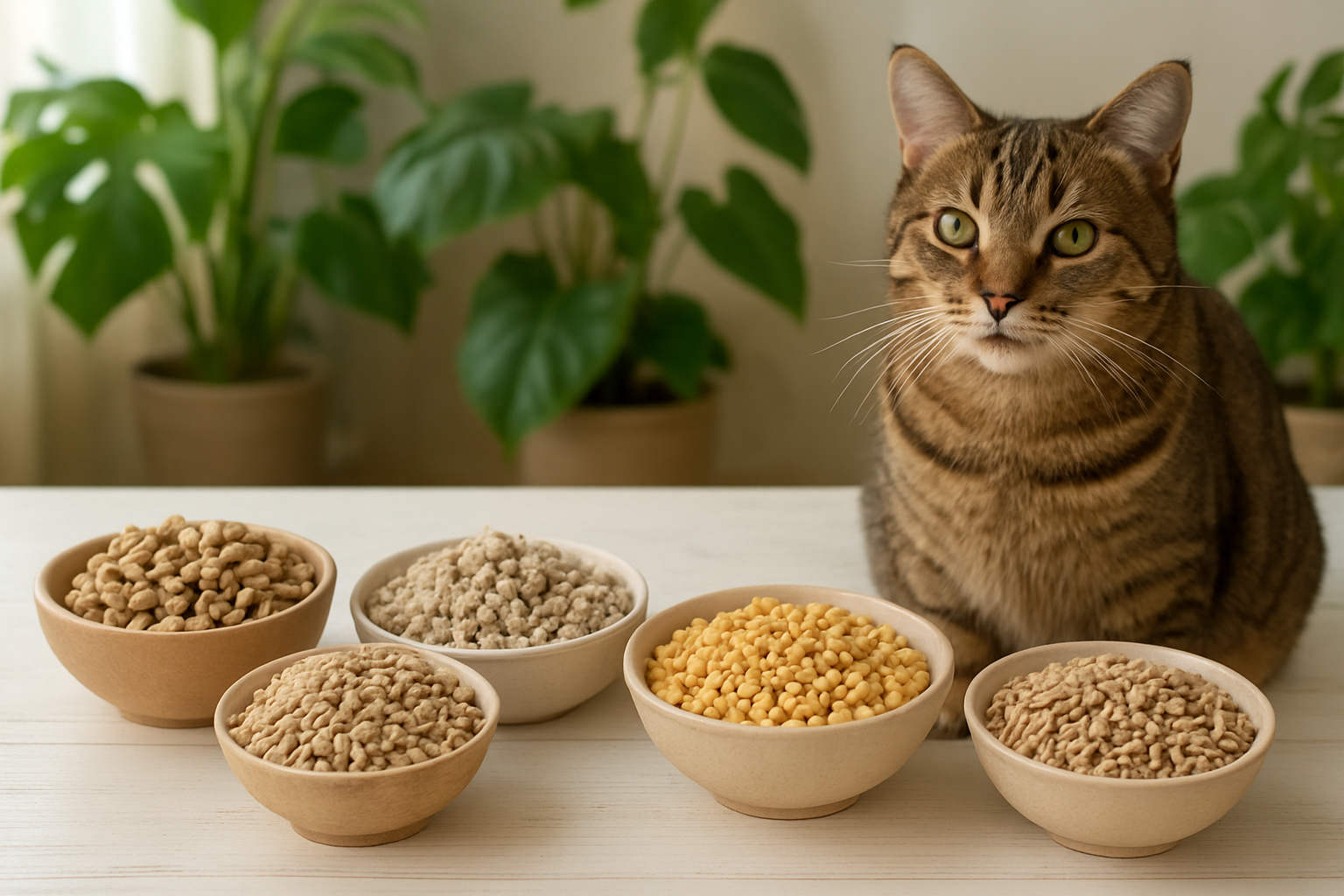
Now that we've explored the environmental concerns with traditional cat litter, eco-friendly alternatives offer significant advantages through their biodegradable properties. These materials break down naturally in composting environments or landfills, dramatically reducing long-term environmental impact. Unlike clay-based litters that can persist for centuries, biodegradable options integrate back into the ecosystem within months to a few years.
The decomposition process varies depending on the specific material, but most plant-based litters actively contribute nutrients back to soil systems during breakdown. This creates a closed-loop cycle where waste products become beneficial organic matter rather than accumulating as persistent pollutants.
Sustainable Sourcing from Renewable Resources
Eco-friendly cat litters utilize materials that can be continuously replenished without depleting finite natural resources. These alternatives often derive from agricultural waste products or fast-growing renewable sources, creating value from materials that might otherwise be discarded.
The sustainable sourcing approach eliminates the destructive strip mining associated with traditional clay extraction. Instead of removing irreplaceable natural deposits, manufacturers can harvest materials annually or even multiple times per year, ensuring resource availability for future generations while supporting agricultural communities.
Reduced Health Risks for Cats and Humans
Previously, we've seen how conventional litters can pose health concerns, but eco-friendly alternatives typically eliminate or significantly reduce these risks. Natural materials generally produce less dust, reducing respiratory irritation for both cats and their owners during pouring, scooping, and cleaning activities.
Many plant-based litters are free from artificial fragrances, chemical additives, and potentially harmful dust particles that can trigger allergic reactions or breathing difficulties. This creates a safer environment, particularly important for households with sensitive cats, elderly pets, or family members with respiratory conditions.
Lower Carbon Footprint Production Methods
With this in mind, next, we'll see how eco-friendly litter production typically requires significantly less energy than traditional clay processing. Manufacturing plant-based alternatives often involves simple drying and forming processes rather than energy-intensive mining, transportation, and kiln-firing operations required for clay litters.
The reduced processing requirements, combined with often shorter transportation distances from agricultural sources, contribute to substantially lower greenhouse gas emissions throughout the entire production chain. This environmental benefit extends from raw material harvesting through final product delivery to consumers.
Types of Eco-Friendly Cat Litter Materials
Wood-Based Litters from Reclaimed Fiber
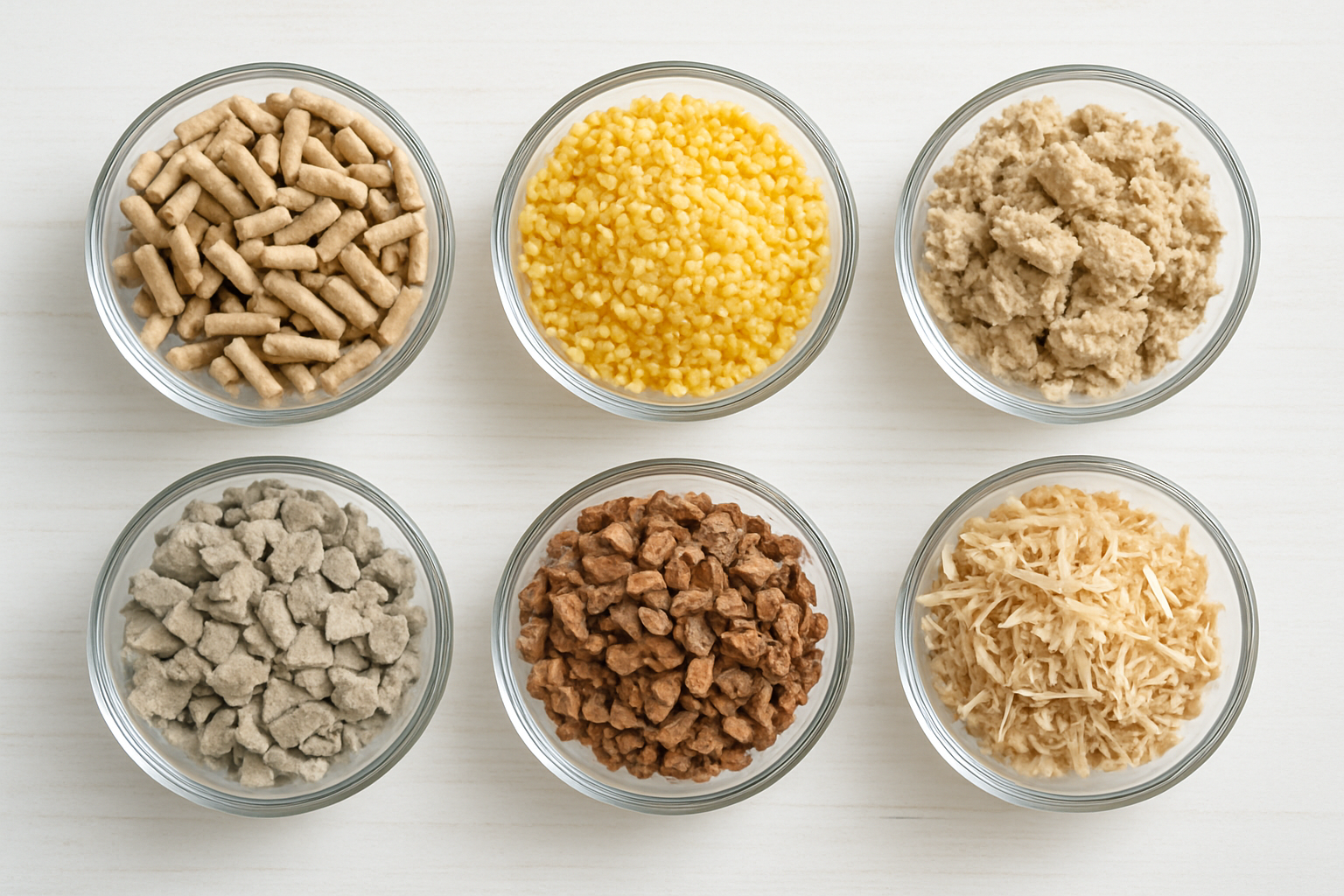
Wood-based cat litters represent one of the most popular eco-friendly alternatives to traditional clay litter. These products typically utilize reclaimed wood fibers, sawdust, and wood pellets that would otherwise become waste products from lumber mills and furniture manufacturing. Pine, cedar, and fir are common wood sources, with pine being particularly favored for its natural odor-controlling properties due to its aromatic oils.
The manufacturing process involves compressing wood fibers into pellets or maintaining them in their natural shredded form. When exposed to moisture, wood pellets break down into sawdust-like material that effectively absorbs liquids while maintaining excellent odor control. The natural lignin in wood acts as a binding agent, making these litters highly absorbent without requiring chemical additives.
Plant-Based Options Including Corn, Wheat, and Grass
Plant-based litters have gained significant traction among environmentally conscious pet owners seeking biodegradable solutions. Corn-based litters utilize ground corn kernels or corn cobs, creating a clumping texture that rivals traditional clay while remaining completely compostable. The natural starches in corn provide excellent clumping ability and moisture absorption.
Wheat-based alternatives leverage the natural enzymes found in wheat to neutralize odors while forming tight clumps for easy removal. These litters often feature a fine texture that many cats find appealing, making the transition from clay litter more seamless.
Grass-based litters represent a newer innovation in the plant-based category. Made from sustainably harvested grass seed, these products offer lightweight handling, natural clumping properties, and minimal dust production. The rapid renewable nature of grass makes this option particularly appealing from a sustainability perspective.
Paper Litters from Recycled Materials
Recycled paper litters provide an excellent solution for cats with respiratory sensitivities or recent surgical procedures. Manufactured from post-consumer recycled paper, these products undergo a process that removes inks and creates highly absorbent pellets or shredded material. The soft texture makes paper litter ideal for cats recovering from declawing or other paw injuries.
While paper litters excel in absorption and dust-free performance, they typically require more frequent changing compared to clumping alternatives. The trade-off involves enhanced comfort for sensitive cats and the environmental benefit of repurposing waste paper that would otherwise occupy landfill space.
Alternative Materials Like Walnut Shells and Tofu
Innovative manufacturers have developed litters from unexpected natural materials, expanding eco-friendly options beyond traditional plant and wood sources. Walnut shell litter utilizes ground walnut shells, creating a naturally clumping product with excellent odor absorption properties. The fibrous nature of walnut shells provides superior liquid retention while maintaining a texture familiar to cats accustomed to traditional litters.
Tofu-based litters, while less common, offer unique advantages including complete biodegradability and flushability in small quantities. Made from food-grade soybean processing byproducts, these litters form tight clumps and provide natural odor control through their protein structure.
Key Features to Evaluate When Choosing
Clumping Ability and Easy Scooping Performance
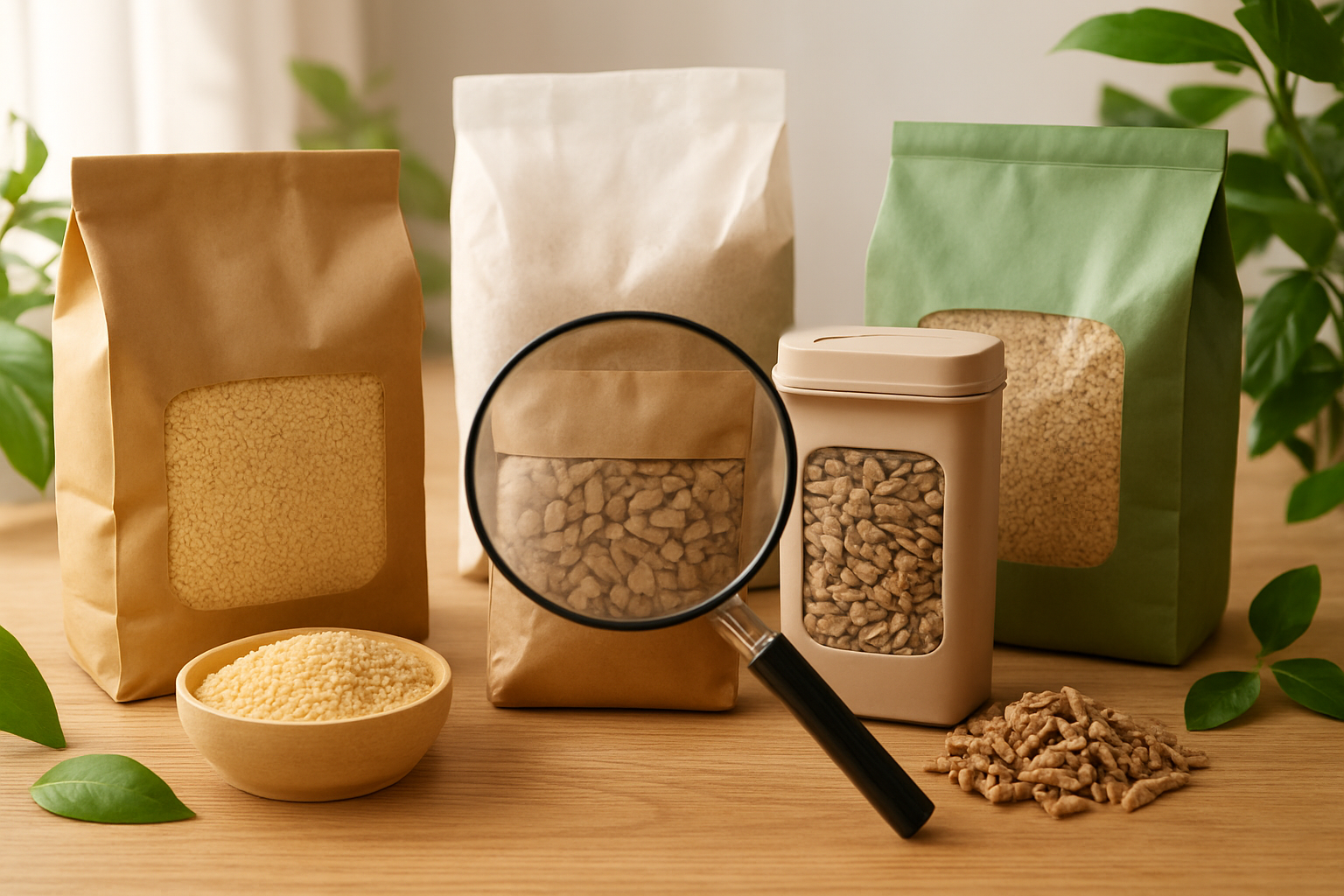
When evaluating eco-friendly cat litter options, clumping performance remains a critical factor for daily maintenance. Natural clumping agents like corn starch, wheat proteins, and bentonite alternatives vary significantly in their binding strength. Look for litters that form tight, cohesive clumps that won't break apart during scooping, as fragmented clumps can contaminate the remaining clean litter and require more frequent complete changes.
The ideal eco-friendly litter should create firm clumps within minutes of contact with moisture, allowing for efficient waste removal without excessive product loss. Some plant-based options may require a slightly thicker layer than traditional clay litters to achieve optimal clumping performance.
Odor Control Through Natural Enzymes
Natural odor control mechanisms distinguish quality eco-friendly litters from basic alternatives. Many sustainable options harness naturally occurring enzymes and beneficial bacteria that neutralize ammonia and other odor-causing compounds at the molecular level, rather than simply masking smells with artificial fragrances.
Wood-based litters often contain natural antimicrobial properties, while corn and wheat-based options may include natural starches that trap and neutralize odors. Some manufacturers enhance their eco-friendly formulations with natural additives like baking soda or plant-derived enzymes that continue working long after initial application.
Dust Production and Respiratory Safety
Dust levels significantly impact both human and feline respiratory health, making this evaluation crucial for households with allergies or sensitive individuals. High-quality eco-friendly litters typically produce minimal dust during pouring and daily use, as many natural materials undergo specialized processing to reduce fine particles.
Wood pellets and paper-based litters generally create the least dust, while some grain-based options may produce moderate amounts. Always check manufacturer specifications for dust content and consider your cat's respiratory sensitivities when making selections.
Tracking Minimization Around Litter Box
Effective tracking control keeps your home cleaner and reduces waste. Larger particle sizes and specific textures help minimize the amount of litter that adheres to your cat's paws and gets carried outside the box. Some eco-friendly options feature specially designed granule shapes that resist sticking to fur while maintaining comfortable paw feel.
Consider the texture preferences of your specific cat, as some may avoid litters with unfamiliar feels, potentially leading to litter box avoidance issues.
Top Eco-Friendly Cat Litter Recommendations
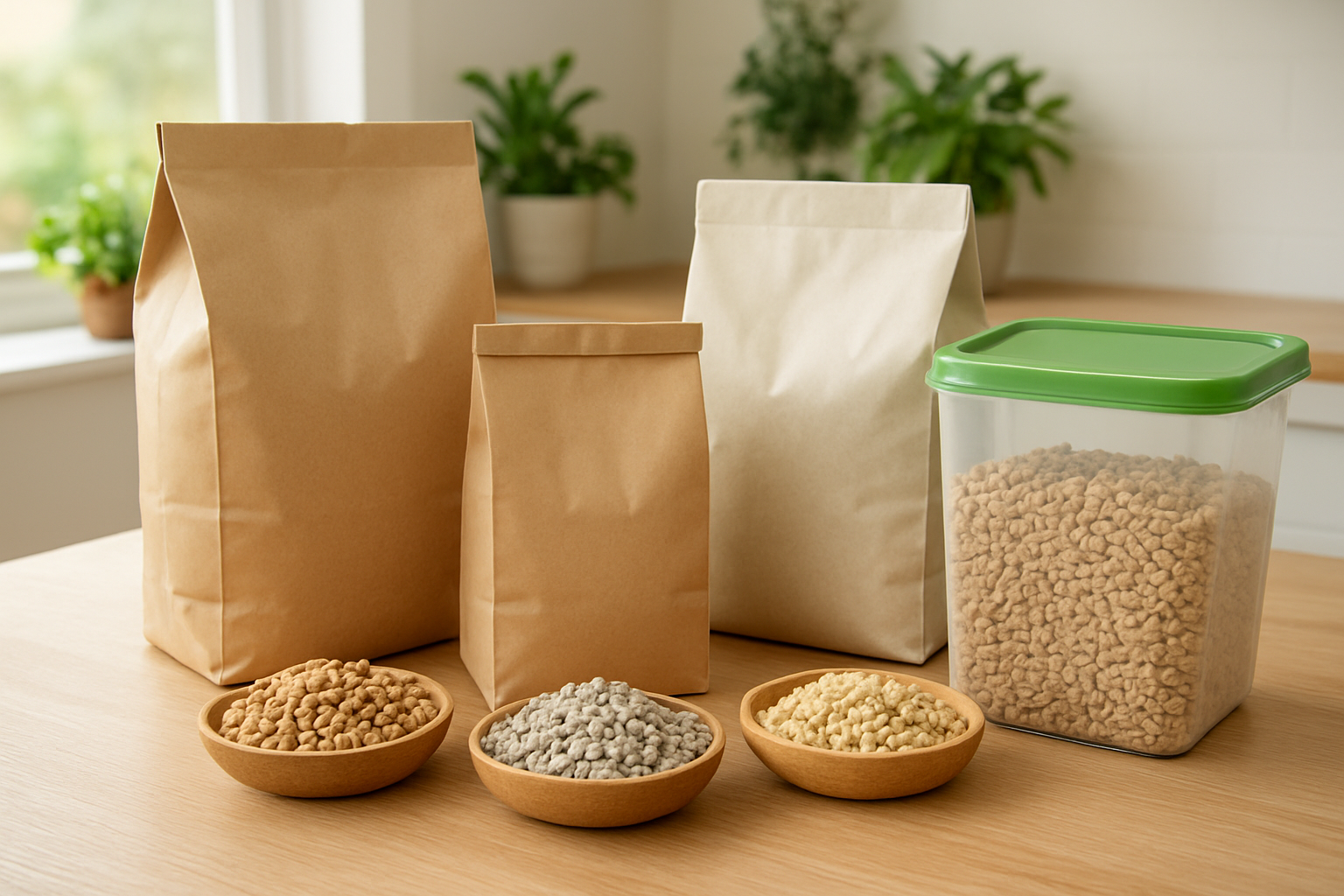
Wood Fiber Litters for Natural Odor Control
Wood fiber litters represent one of the most sustainable options available, offering excellent natural odor absorption without synthetic additives. These litters are typically made from recycled wood byproducts, including pine, cedar, and fir shavings or pellets. The natural oils present in wood fibers provide inherent antimicrobial properties that help control bacterial growth and associated odors.
Wood pellet varieties are particularly effective, as they break down into sawdust when exposed to moisture, creating a highly absorbent base layer. This breakdown mechanism also makes disposal easier and more environmentally friendly. Cedar-based options offer additional natural pest-repelling properties, while pine varieties provide a fresh, forest-like scent that many cats find appealing.
Tofu-Based Options for Superior Absorption
Tofu litters, manufactured from processed soybean waste, deliver exceptional absorption capabilities while remaining completely biodegradable. These litters form tight, scoopable clumps when wet, making maintenance straightforward and efficient. The fine texture closely mimics traditional clay litters, helping ease the transition for both cats and owners.
The manufacturing process involves dehydrating and compressing soybean pulp into granules that expand significantly when exposed to moisture. This expansion creates superior liquid retention compared to many conventional alternatives. Additionally, tofu litters are naturally low in dust, making them ideal for cats with respiratory sensitivities or allergies.
Grass and Wheat Varieties for Familiar Texture
Grass-based litters offer a texture remarkably similar to traditional clay options while maintaining complete biodegradability. These products utilize quick-growing grass seeds that require minimal water and pesticides during cultivation, making them environmentally sustainable from source to disposal.
Wheat-based alternatives harness the natural clumping properties of wheat starches, creating firm clumps that are easy to remove. The familiar grain texture appeals to many cats, particularly those transitioning from conventional litters. Both grass and wheat varieties are naturally lightweight, reducing packaging waste and transportation environmental impact.
Walnut Shell Litters for Effective Clumping
Walnut shell litters utilize the fibrous material from crushed walnut shells, creating an exceptionally absorbent medium with natural odor-controlling properties. The shell material's porous structure traps moisture effectively while the natural tannins provide antimicrobial benefits. These litters form solid, easy-to-scoop clumps while maintaining excellent odor suppression capabilities throughout extended use periods.
Making the Transition Successfully
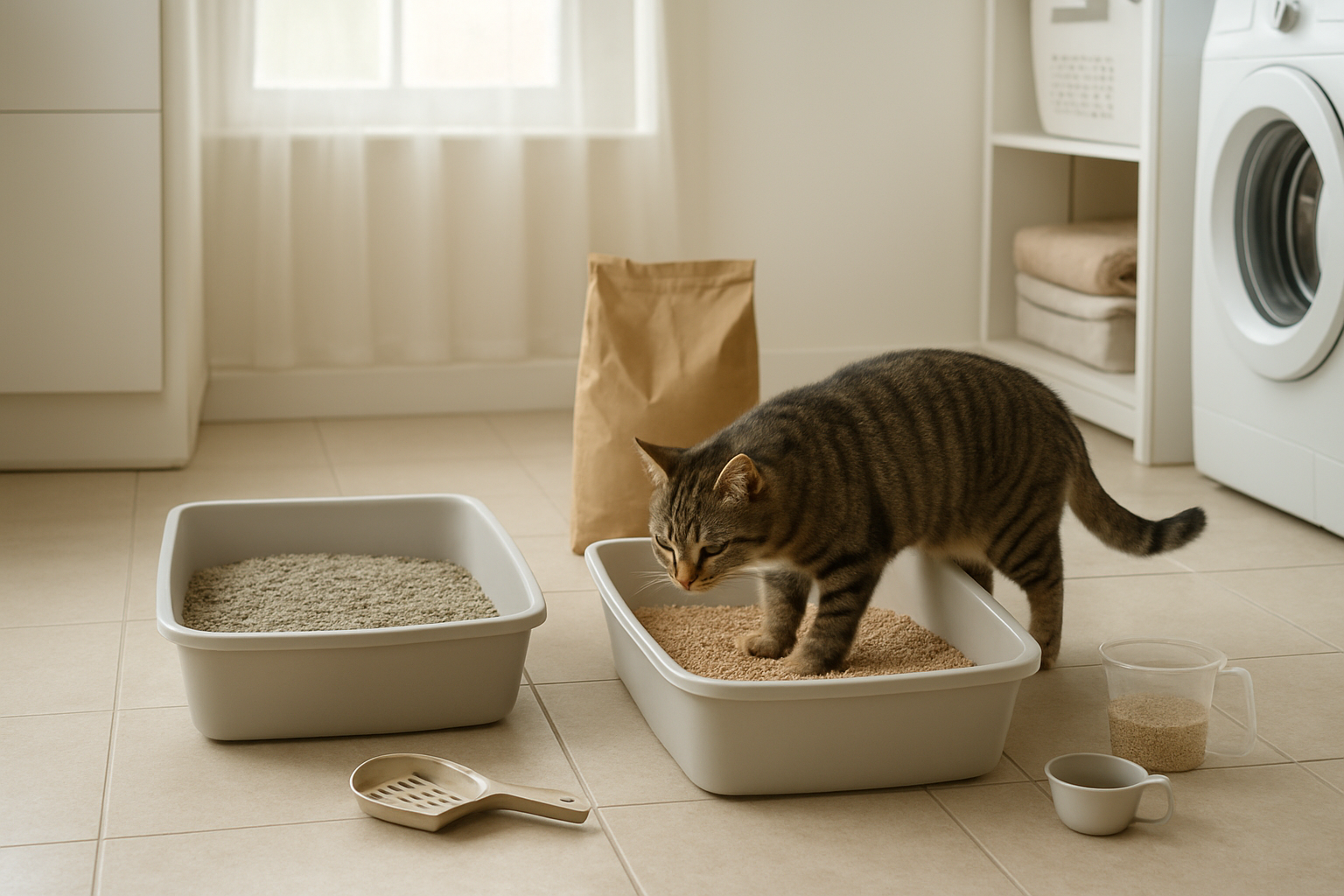
Gradual Mixing Methods to Avoid Cat Rejection
Cats are naturally creatures of habit, making sudden changes to their litter box environment potentially stressful. The most effective approach involves implementing a gradual transition over 7-14 days. Begin by mixing 25% of the new eco-friendly litter with 75% of the current litter during the first few days. Monitor your cat's reaction closely during this initial phase.
After 3-4 days, if your cat shows acceptance, increase the ratio to 50% new litter and 50% old litter. Continue this balance for another 3-4 days before progressing to 75% eco-friendly litter and 25% traditional litter. Complete the transition by using 100% eco-friendly litter only after your cat demonstrates consistent use of the mixed versions.
Some cats may require an even slower transition, extending each phase by 2-3 additional days. Keep multiple litter boxes during this period if possible, allowing your cat to choose while they adjust to the new texture and scent.
Monitoring Cat Acceptance and Behavior Changes
Now that we have covered the mixing process, vigilant observation becomes crucial for successful transition. Watch for signs of litter box avoidance, including elimination outside the box, spending less time in the box, or showing hesitation before entering. These behaviors often indicate the need to slow down the transition process.
Positive indicators include normal digging behavior, regular elimination patterns, and comfortable body language around the litter box. Some cats may initially spend more time investigating the new litter through increased sniffing or pawing, which typically represents curiosity rather than rejection.
Document any behavioral changes in a simple log, noting dates, litter ratios, and your cat's response. This tracking helps identify the optimal transition speed for your specific cat and provides valuable information if veterinary consultation becomes necessary.
Adjusting Cleaning Routines for New Litter Types
Different eco-friendly litters require modified maintenance approaches compared to traditional clay varieties. Natural materials like corn, wheat, or wood often have different clumping properties, affecting how frequently you need to scoop and completely change the litter.
Some biodegradable litters may require more frequent complete changes but offer better odor control between cleanings. Others might need different scooping techniques due to varying clumping strength. Experiment with scooping tools, as some work better with specific litter materials.
Establish new cleaning schedules based on the specific eco-friendly litter chosen, typically ranging from daily scooping with weekly complete changes to more frequent maintenance depending on the material's absorption and odor control capabilities.
Proper Disposal Methods Including Flushable Options
WdWith this in mind, next, we'll explore responsible disposal methods that maintain the environmental benefits of your eco-friendly choice. While some eco-friendly litters market themselves as flushable, verify local sewage system compatibility and regulations before flushing any litter material.
Compostable litters can be added to compost systems, but only if you're not composting for vegetable gardens, as cat waste may contain harmful pathogens. Many biodegradable options can be disposed of in regular trash, where they'll decompose more readily than traditional clay litters in landfills.
Consider municipal composting programs that may accept pet waste, or explore specialized pet waste disposal services in your area that handle eco-friendly litters appropriately.
Switching to eco-friendly cat litter is a meaningful step toward reducing your environmental impact while creating a healthier home for both you and your feline companion. By choosing biodegradable materials like wood fiber, wheat, corn, or recycled paper over traditional clay-based litters, you're helping to minimize strip mining damage and keeping non-biodegradable waste out of landfills. These sustainable alternatives also eliminate harmful dust and chemicals that can cause respiratory issues and other health problems.
Making the transition doesn't have to be overwhelming. Start by gradually mixing your new eco-friendly litter with your cat's current litter, and be patient as your pet adjusts to the new texture and scent. With options ranging from clumping wood fiber to flushable tofu pellets, there's an eco-friendly solution that will meet both your environmental goals and your cat's preferences. Take the first step today by choosing a sustainable litter that works for your household—your cat, your health, and the planet will thank you.
Comments
Post a Comment